Seismic
Retrofit
Most Bay Area homes built before 1980 were not designed to current seismic standards. A properly engineered retrofit strengthens the connection between your home and its foundation so it can better resist earthquake forces.
Get a quote →How earthquakes damage unretrofitted homes.
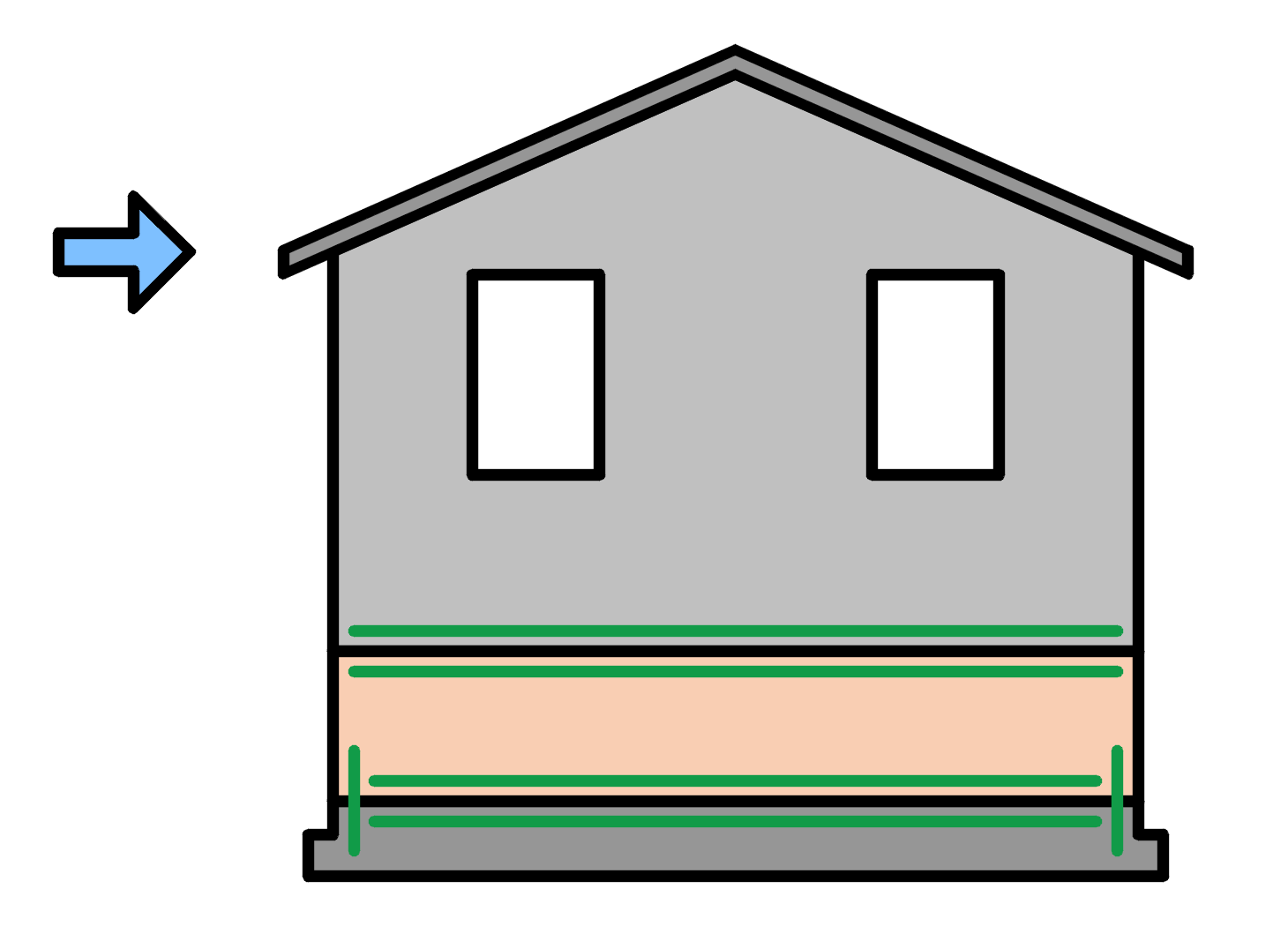
During an earthquake, the ground moves side to side while your home’s weight resists that motion. If the framing is not properly braced and anchored, the structure can rack, slide, or collapse. Homes with raised foundations and cripple walls are especially vulnerable. This is a common condition throughout Oakland and Berkeley.
A seismic retrofit targets the weakest points in this system: the connection between the wood framing and the concrete foundation, and the stability of the short cripple wall that sits between them. When both are properly addressed, the house behaves as a unified structure that stays attached to its foundation through strong shaking.
What happens without a retrofit.
Homes without proper anchorage and bracing fail in predictable ways. These are the most common ones a retrofit is designed to prevent.
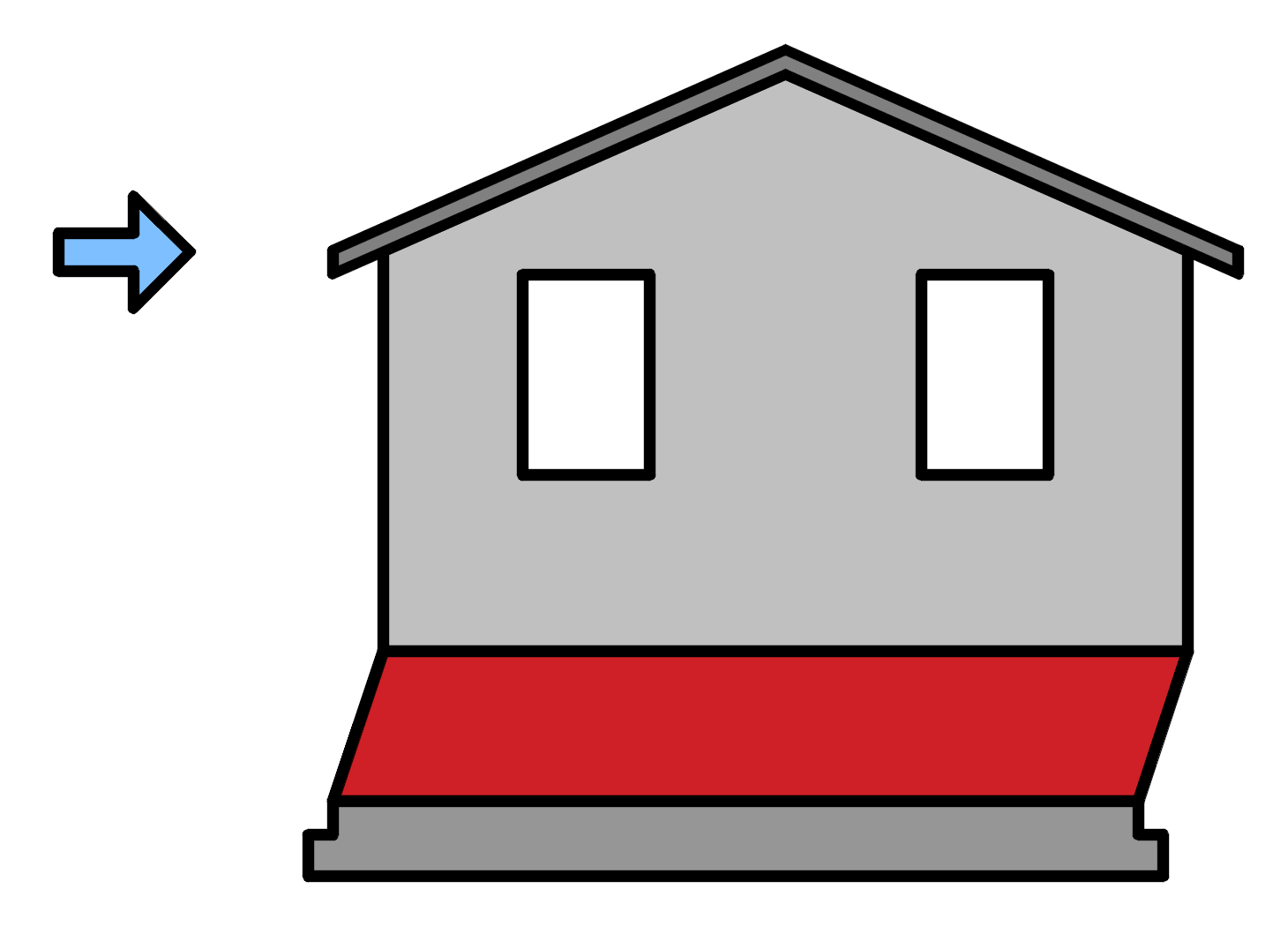
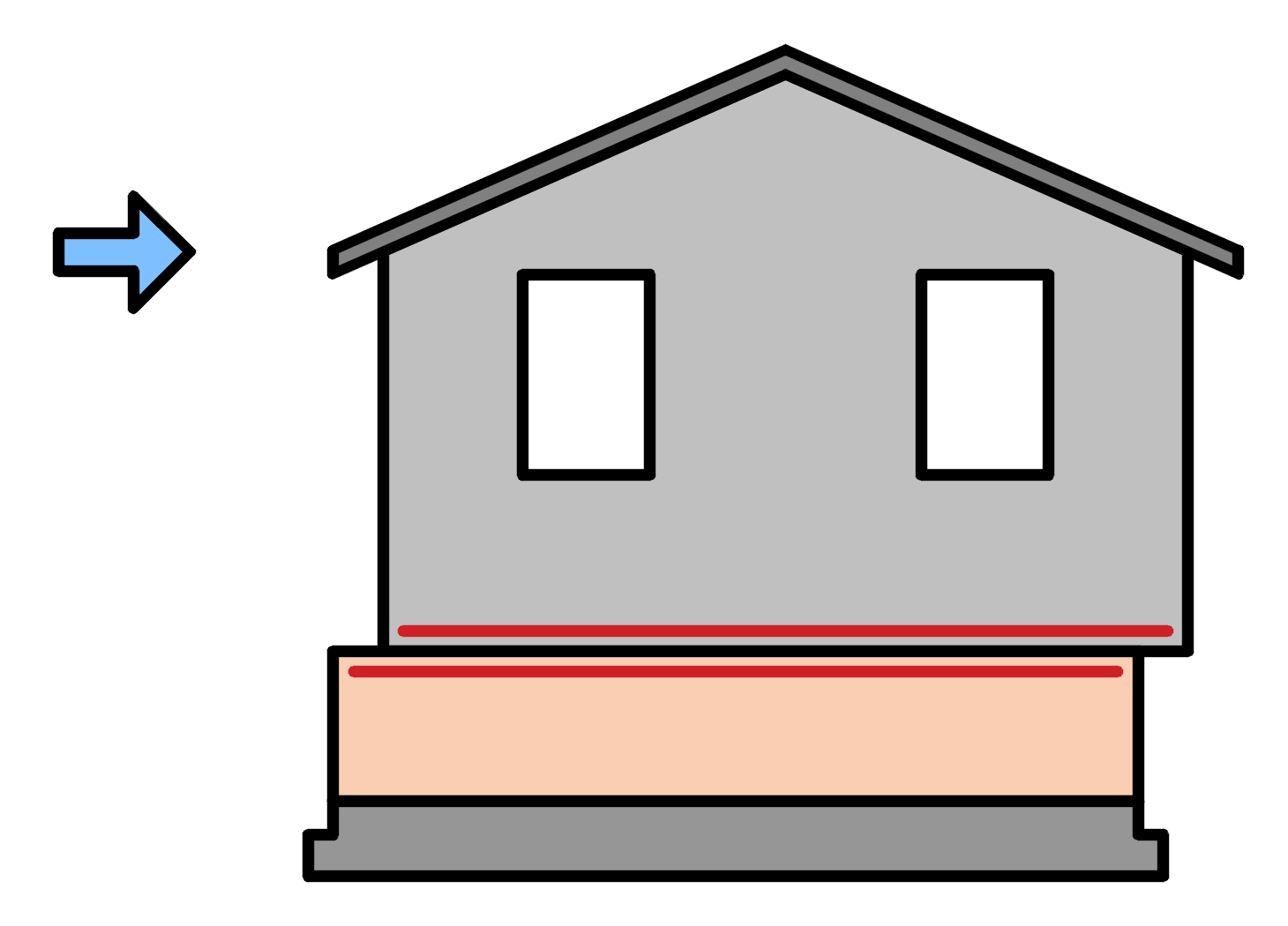
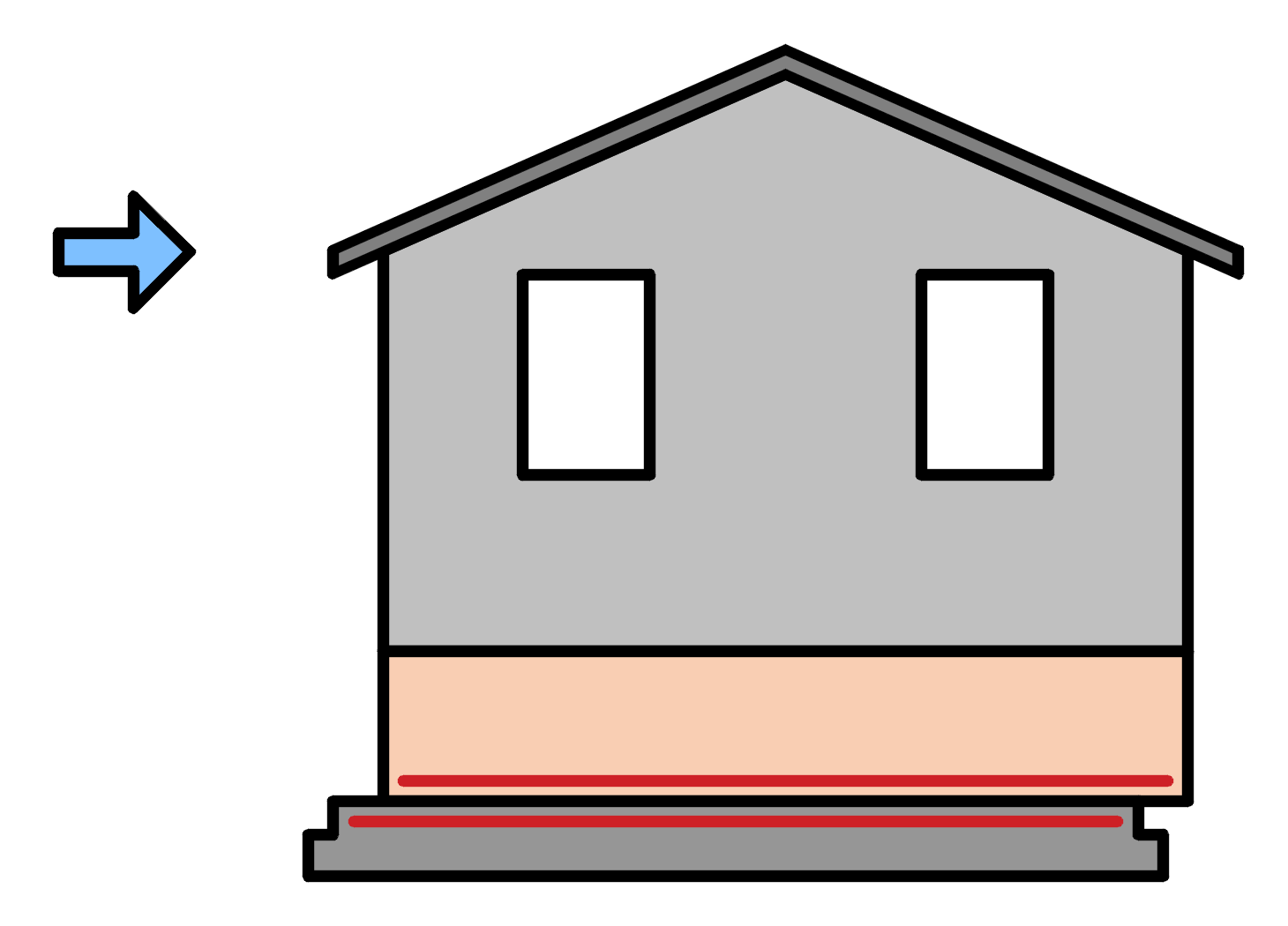
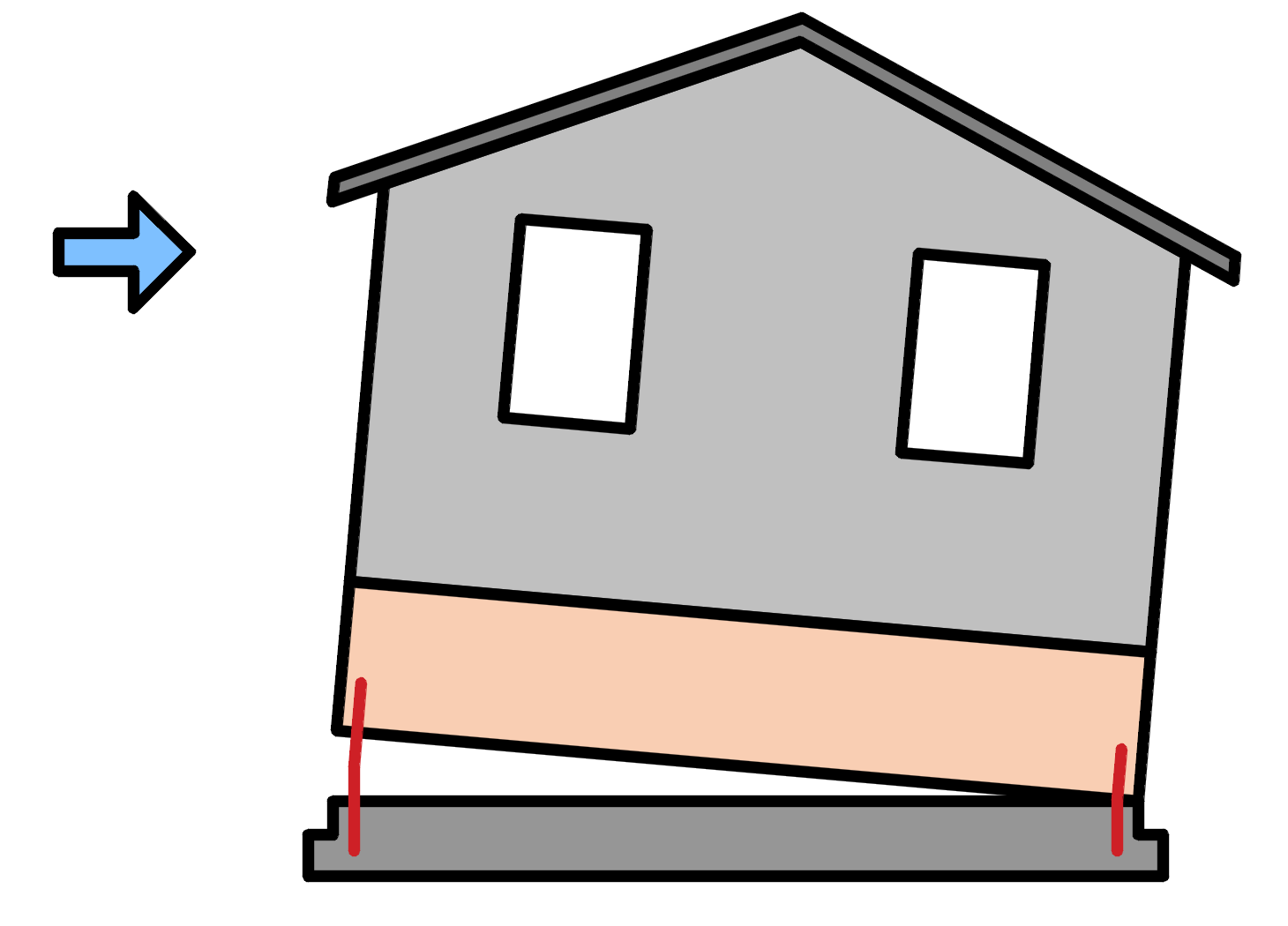
Key components of a seismic retrofit.
A retrofit addresses three interconnected systems. Each one must be properly designed and detailed for the overall system to perform.
Foundation Anchorage
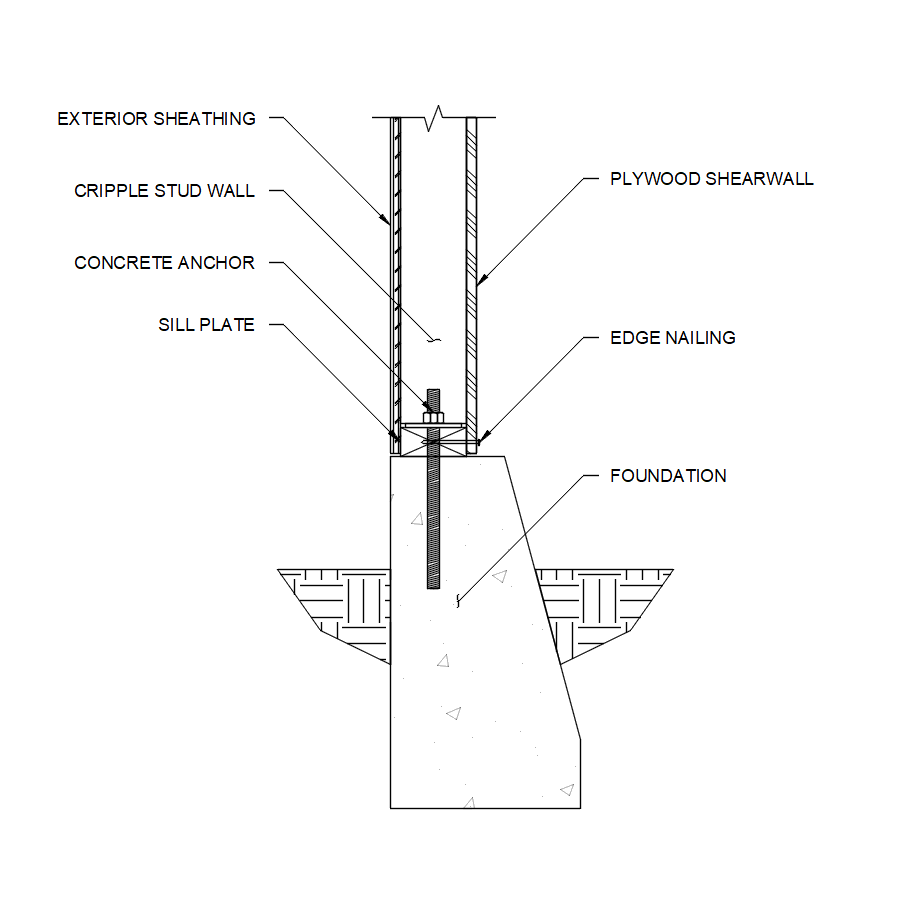
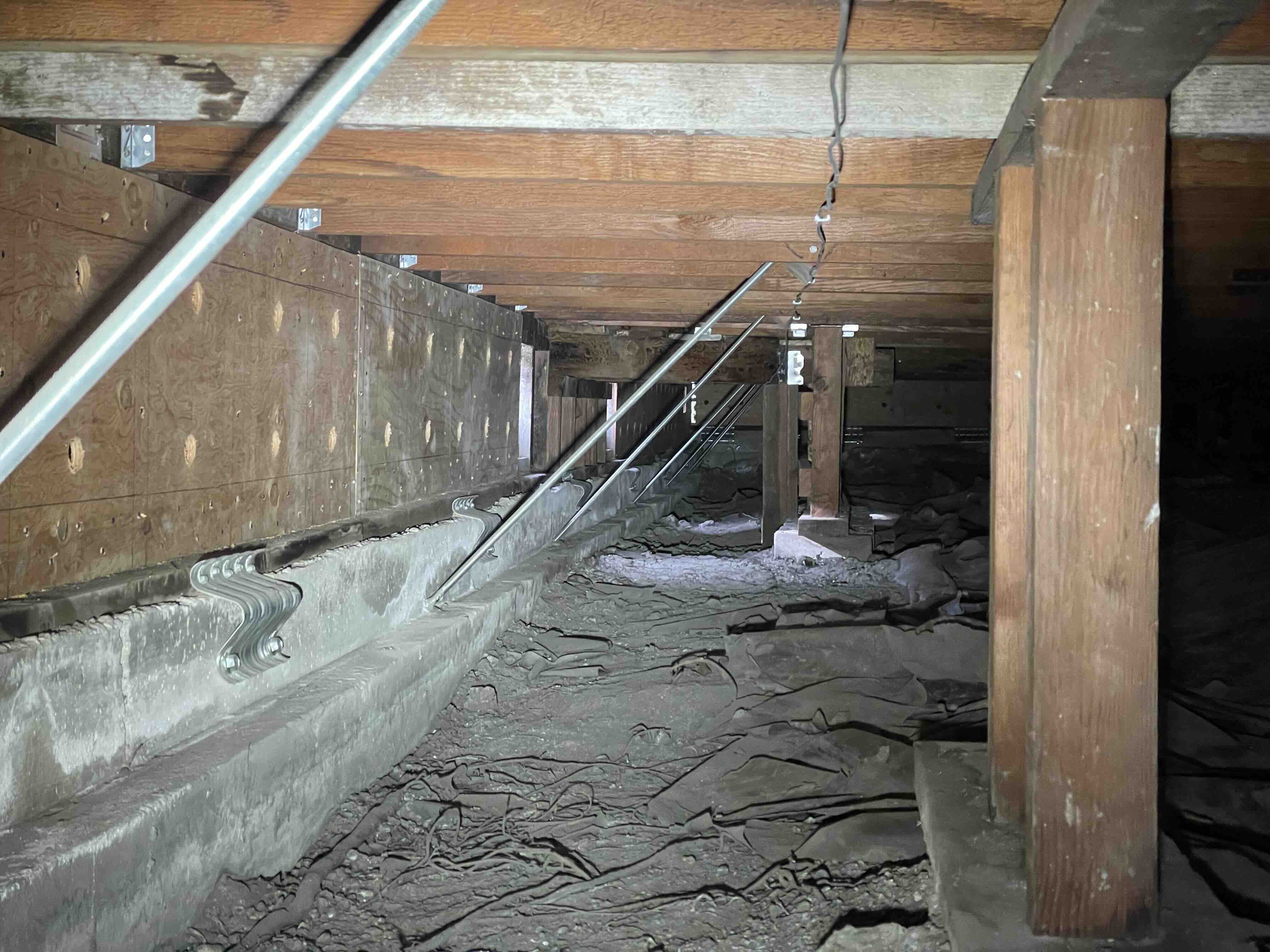
Anchor bolts connect the wood sill plate to the concrete foundation. Many older homes either have no anchor bolts or have bolts spaced too far apart to meet current code. We specify bolt size, spacing, edge distances, and plate washers so the framing stays firmly attached to the concrete during strong shaking.
Plywood Shear Walls
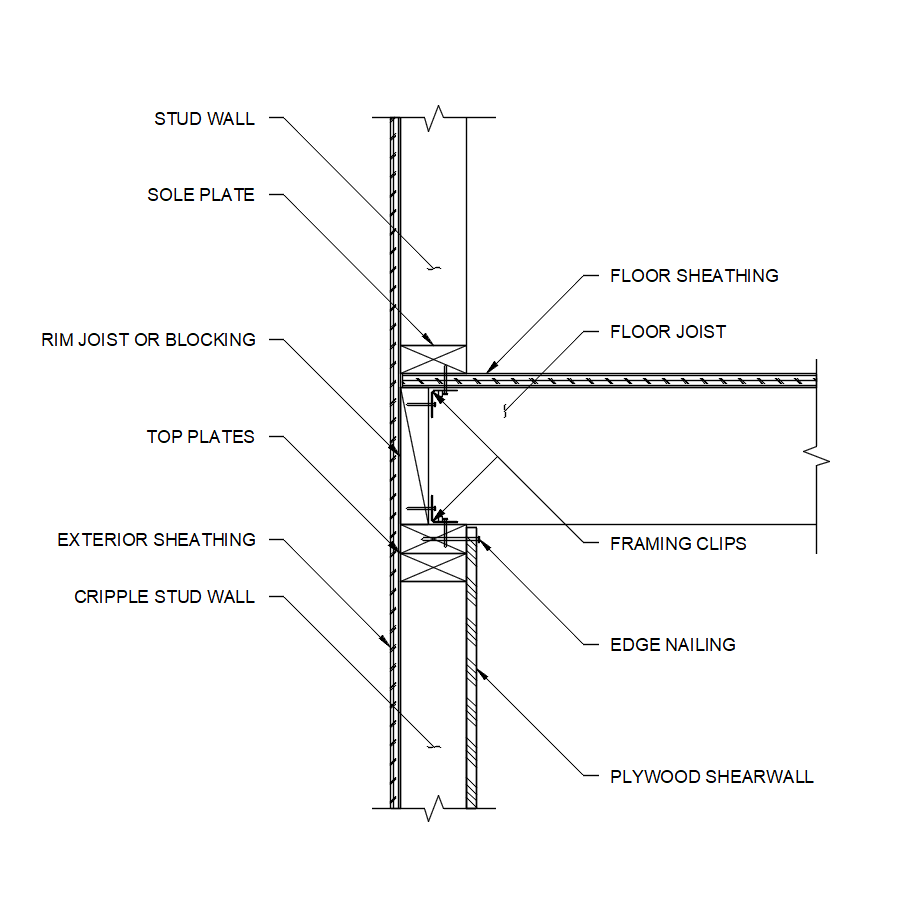
Structural plywood panels are installed on the interior faces of the cripple walls to resist side-to-side movement. The nailing pattern, panel layout, blocking, and edge fastening are all critical to the wall’s performance. We size and detail each panel based on the actual forces acting on your home.
Hardware & Continuous Load Path
Metal connectors, holdown devices, and framing hardware tie the system together. These components ensure that seismic forces transfer from the floor framing into the shear walls and down into the foundation. A retrofit only works when the entire load path is continuous. We design the system as a whole, not as isolated pieces.
Ready to strengthen your home?
Contact us with your property details and we’ll follow up within 1–2 business days to discuss next steps.
Get in touch →